Margin Trading in Singapore, on OKX: What It Is, How It Works, and What to Know


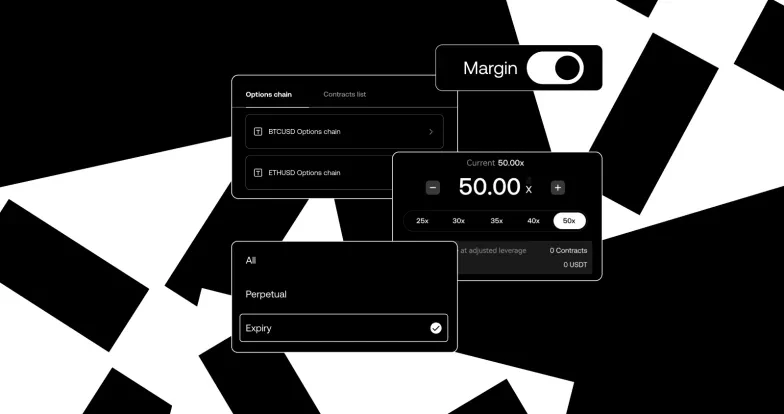
Margin trading on OKX allows you to borrow crypto assets to trade larger positions than your account balance would otherwise allow, all while buying or selling the actual asset on the spot market (not a contract, like in derivatives trading). This means you’re entering real buy/sell trades on the live order book, just like a regular spot trade, but with borrowed funds added to your balance.
How It Differs from Other Products
Unlike futures or perpetual swaps, which involve contracts that track asset prices, margin trading deals with real crypto assets:
You borrow funds on the platform to increase your position size.
You place a market or limit order like a normal spot trade.
The transaction is executed on the spot order book, affecting real asset balances.
You repay what you borrowed, with interest, after closing your position.
How Does Margin Work on OKX?
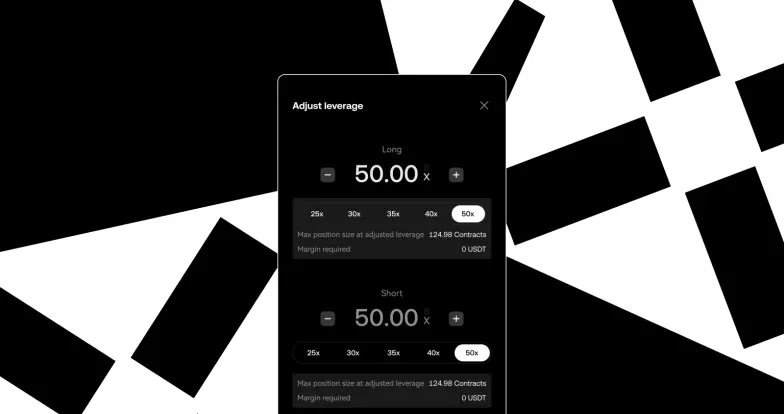
Margin trading lets you borrow funds to increase the size of your spot trades. Instead of trading only with your own balance, you use your existing assets as collateral to borrow additional funds from OKX and trade with a larger position. For example, if you hold $1,000 in USDT and borrow an additional $2,000, you can execute a $3,000 spot trade at 3x leverage. If the trade is profitable, your returns are amplified. If it moves against you, your losses are also amplified.
How margin works
Only funds in your trading account count as collateral. Assets held in your funding or Earn account cannot be used. Make sure your trading account is adequately funded while you have open margin positions.
Interest is charged on borrowed funds for as long as the loan is outstanding. Monitor your borrowing costs, as interest accrues continuously each hour and reduces your overall returns.
Maintenance margin is the minimum collateral value you need to maintain relative to your borrowed amount. You can track your maintenance margin ratio (MMR) in the trading interface. If your MMR falls to 100% or below, liquidation is triggered.
What is liquidation?
If the value of your collateral falls and your MMR reaches 100% or below, OKX will automatically sell part or all of your assets to repay the borrowed funds. This happens at the prevailing market price, which means the amount recovered may differ from what you expect. Liquidation can happen quickly in more volatile markets. You will not receive a grace period.
Managing your risk
Set liquidation alerts to get notified when your MMR approaches 100%, and check your MMR regularly, especially in volatile markets. This gives you time to increase your margin or repay part of your loan to avoid liquidation.
Monitor your interest costs — borrowing fees accumulate over time and eat into your profits. Consider closing positions promptly if the trade isn't working. Holding margin trades for long periods can eat into profits, especially in sideways markets.
Borrow conservatively if you're new to margin trading — a smaller loan relative to your collateral gives you more buffer against price swings.
Margin trading carries significant risk. Your losses can exceed your initial investment, and you remain liable for borrowed funds plus interest. Trade carefully and consider your risk tolerance when sizing your positions.
Margin trading is available to OKX Singapore users who complete a suitability quiz. Take the quiz now, and gain access to Margin.
Note: Payment token derivatives and other services (including margin borrowing and structured products) are provided by OKX Financial and are unregulated. OKX Financial is not licensed in any jurisdiction. See OKX Financial Terms of Service and Risk Disclosure.
© 2025 OKX. Niniejszy artykuł może być powielany lub rozpowszechniany w całości, a także można wykorzystywać jego fragmenty liczące do 100 słów, pod warunkiem że takie wykorzystanie ma charakter niekomercyjny. Każde powielanie lub rozpowszechnianie całego artykułu musi również zawierać wyraźne stwierdzenie: „Ten artykuł jest © 2025 OKX i jest używany za zgodą”. Dozwolone fragmenty muszą odnosić się do nazwy artykułu i zawierać przypis, na przykład „Nazwa artykułu, [nazwisko autora, jeśli dotyczy], © 2025 OKX”. Niektóre treści mogą być generowane lub wspierane przez narzędzia sztucznej inteligencji (AI). Nie są dozwolone żadne prace pochodne ani inne sposoby wykorzystania tego artykułu.