What Is Particle Network (PARTI)? Complete Guide & Tokenomics (2024)


What Is Particle Network (PARTI)? Complete Guide & Tokenomics (2024)
Particle Network is redefining how users onboard into Web3 by addressing cross-chain identity and universal access challenges. By leveraging Universal Accounts and a seamless liquidity layer, Particle Network and its PARTI token are generating major buzz among developers and investors alike. As a next-generation blockchain infrastructure, Particle Network aims to solve some of the most persistent pain points in crypto: fragmented user experiences, clunky multi-wallet tools, and clashing standards across blockchains. In this guide, you'll learn exactly what Particle Network is, how it works, the role of the PARTI token, and how you can participate in this innovative ecosystem. We'll also cover technical architecture, real-world use cases, and why platforms like OKX are championing this new wave of blockchain usability.
What Is Particle Network (PARTI)?
Particle Network is a Web3 infrastructure protocol focused on delivering chain abstraction: making it easy for users and developers to interact with any network using a single account, universal liquidity, and gas fee solutions. Launched to meet the growing demand for simpler cross-chain onboarding, Particle’s mission is to remove the technical and usability barriers that have long slowed mass crypto adoption. Rather than users needing multiple wallets or assets to move between blockchains, Particle Network’s Universal Account solution provides a frictionless entry point to the decentralized world.
The PARTI token is at the heart of the network—both as a means of payment for network operations and as a governance tool for ecosystem participants. You’ll find PARTI available on major exchanges like OKX, making it easy for anyone to trade, stake, or use PARTI within dApps powered by Particle.
OKX users benefit from seamless integration and asset transfers through the Particle Network, paving the way for more efficient and secure cross-chain interactions. This makes onboarding into different blockchains more streamlined than ever before.
Key Use Cases and Ecosystem Growth
Particle Network directly addresses user onboarding, asset movement, and developer friction. For example, traditional crypto wallets often force users to manage separate private keys for each chain. With Particle’s Universal Accounts, a single credential grants access everywhere the protocol is supported.
A leading statistics milestone: over 1 million user wallets have interacted with apps leveraging Particle since launch. Ecosystem partnerships include major dApps, NFT projects, and DeFi platforms integrating Particle for their onboarding.
Explaining Universal Accounts, Liquidity, and Gas
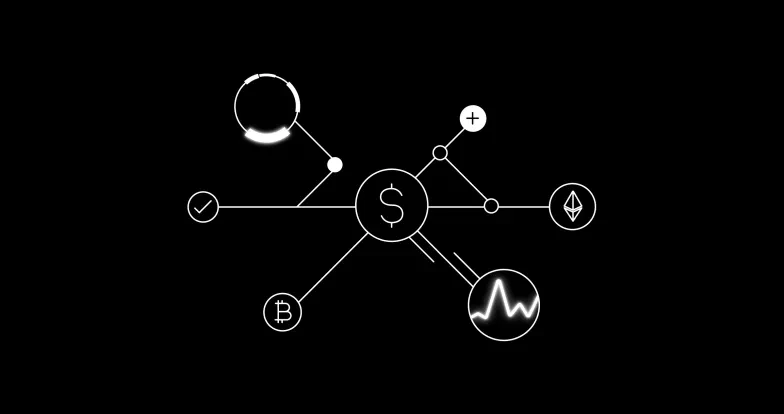
The core features distinguishing Particle Network—Universal Accounts, Universal Liquidity, and Universal Gas—are crucial for both everyday users and developers.
How Do Universal Accounts Work?
Universal Accounts are built on the principle of account abstraction, meaning users interact with one account that operates across multiple blockchains. When a new user joins a dApp using Particle, they don’t need to manually create or manage separate wallets. Instead, Particle abstracts these complexities, providing a single, secure account to interact with assets and applications anywhere the protocol is integrated.
For example, a developer integrating Particle into their app allows a brand new user to onboard, deposit assets, transact, and explore different chains—all with a single sign-in. The onboarding friction drops dramatically, making the Web3 experience more like familiar Web2 platforms.
Benefits for Developers and Users
- No need for multiple wallets or cross-chain bridging tools
- Simplified onboarding for dApps—users start instantly
- Reduced technical risk for users (fewer private keys to lose)
- Developers plug into a larger addressable audience
- Improved user retention and engagement in dApps
💡 Pro Tip: Universal Accounts are protected by Particle's best-in-class security and can be further secured by enabling two-factor authentication and hardware wallet integration, where available.
Universal Liquidity allows assets to move freely between networks and applications without manual swaps or bridges. Users no longer worry about getting stuck with the wrong token on the wrong chain. And with Universal Gas, Particle Network enables seamless payment of network fees—users can transact on any supported chain, often paying gas fees in any token they hold.
OKX users can enjoy the simplicity of managing all their multi-chain assets with one account, saving time and hassle versus other crypto wallet options.
Particle Network Tokenomics: PARTI Supply, Distribution & Markets
A healthy ecosystem relies on a well-designed token—and the PARTI token is central to Particle Network’s incentive structure and operations. Here’s what you need to know about its supply, distribution, and uses.
| Metric | Value | Description |
|---|---|---|
| Token Name | PARTI | Official native token of Particle Network |
| Circulating Supply | 120,000,000 PARTI | Amount currently in public hands (example figure, check OKX) |
| Total Supply | 1,000,000,000 PARTI | Maximum PARTI tokens to ever exist |
| Distribution | Community, Devs, Investors, Ecosystem | Spread via grants, rewards, sales, staking |
| Main Utility | Staking, Governance, Gas, Ecosystem Access | Used for fees, voting, participation |
| Where to Buy | OKX, Buy PARTI, top exchanges | Liquid markets for easy access (including secure OKX) |
PARTI tokens drive multiple functions:
- Payment for network services such as transactions and Universal Gas
- Governance voting for protocol decisions
- Staking incentives for securing and participating in the network
You can purchase PARTI on major exchanges like OKX, which offers robust security, high-liquidity order books, and a smooth trading interface—especially for those seeking to safely explore upcoming Web3 assets.
💡 Pro Tip: Always enable 2FA on your OKX account and use withdrawal allowlists to maximize token security.
How Particle Network Solves Chain Fragmentation
Chain fragmentation has long made Web3 intimidating for users and app creators alike. From the user’s perspective, they often encounter a maze of wallets, assets, and differing chains—all with unique rules and interfaces. For developers, integrating multiple blockchains commonly means more code, more maintenance, and more support headaches.
Particle Network addresses this by abstracting away individual chain boundaries. With Universal Accounts, liquidity, and gas, a user can join the network once and interact seamlessly across all integrated blockchains. This is a technical leap over existing standards and brings a much-needed "Web2 simplicity" to decentralized applications.
By comparison, projects like LayerZero or Cosmos focus on bridging infrastructure or custom interoperability standards. Particle Network’s unique edge is end-user account abstraction and cross-chain liquidity spanning both EVM and non-EVM chains, providing smoother onboarding and a truly universal wallet experience.
Comparison: Particle Network vs Other Multichain Platforms
| Feature | LayerZero | Cosmos | Particle Network |
|---|---|---|---|
| User Onboarding | Complex | Technical | Simple, 1-click |
| Universal Accounts | No | Limited | Yes |
| Asset Movement | Bridging Only | IBC Specific | Universal Liquidity |
| Gas Payments | Chain-specific | Chain-specific | Universal Gas |
| Developer Integration | Moderate | Moderate | Easy SDK & APIs |
OKX, by supporting both conventional and abstracted wallet infrastructure, makes it easy for users to benefit from the best of both interoperability and security in partnership with Particle Network.
Technical Architecture & Developer Integration
Particle Network’s technical foundation combines multiple components designed for security, flexibility, and extensibility.
System Diagram: How Particle Connects Chains
At a high level, the Particle Network architecture comprises:
- Universal Account Layer: Handles account abstraction and identity authentication
- Universal Liquidity Layer: Aggregates and routes assets seamlessly between chains
- Universal Gas Layer: Allows gas payments in multiple tokens, handling fee abstraction
- Protocol SDKs and APIs: Enable developers to integrate these layers into wallets or dApps easily
- Security Module: Provides multi-signature, audits, and SECP256r1/ECDSA support
This modular design enables quick integration with existing apps and protocols—creating an almost plug-and-play onboarding flow.
Quick Integration Guide
- Visit the Particle Network developer docs
- Choose your preferred SDK (JavaScript/TypeScript, mobile, etc.)
- Integrate the Universal Account SDK into your app's onboarding flow
- Configure liquidity/gas options according to your supported chains
- Test and deploy with Particle’s sandbox environment
OKX’s commitment to developer empowerment includes partnership initiatives and grants for apps integrating advanced account or liquidity tech like Particle’s solution.
Real-World Applications and Ecosystem Growth
Particle Network is live and powering dozens of projects across DeFi, NFT, gaming, and infrastructure. For example:
- MetaMask Snaps: MetaMask’s extension system integrates Particle for account abstraction.
- Spin Finance: A DeFi trading platform using Particle to allow single-account trading across chains.
- Suiet Wallet: A multichain wallet leveraging Particle’s universal accounts for seamless onboarding.
Ecosystem expansion is fueled by grant campaigns, hackathons, and active developer incentive programs. The Particle community also runs vibrant support and educational initiatives via Discord and Twitter, encouraging new builders and users to join the network.
If any apps in your portfolio are available on OKX, you'll benefit from native integration—making asset transfers and dApp interaction even more streamlined.
Frequently Asked Questions
What is Particle Network and how does it work?
Particle Network is a Web3 protocol enabling Universal Accounts—meaning users can access multiple blockchains with one login. The PARTI token powers this ecosystem with fees and governance.
What is the PARTI token used for?
PARTI is used for transaction fees, driving governance, and incentivizing ecosystem use within Particle Network’s infrastructure.
How to buy PARTI crypto?
You can buy PARTI by registering on a supported crypto exchange like OKX, searching for the PARTI/USDT pair, and trading with your deposited funds. Visit official docs when in doubt to avoid scams.
What is a parti yorkie / poodle (pet confusion)?
"Parti" in this article refers to a Web3 crypto protocol and token, not the parti-colored breeds of Yorkies or Poodles.
Is Particle Network secure?
Yes—Particle Network has undergone professional audits, adopts a rigorous open-source approach, and implements strong security measures for both accounts and liquidity handling.
How can developers use Particle Network?
Developers can leverage SDKs and APIs from the Particle docs to add Universal Accounts and liquidity solutions to their apps in just a few steps.
Conclusion
Particle Network is rapidly transforming blockchain usability by offering Universal Accounts, seamless liquidity, and universal gas features. With the PARTI token underpinning governance and access, it’s opening doors for both users and developers to experience true interoperability. OKX’s support of Particle Network and PARTI means you can securely manage, trade, and build with confidence. Ready to see what’s possible? Check the live PARTI price or explore developer tools and join the growing Particle ecosystem today!
Crypto assets are subject to market risk. Always use secure wallets, enable 2FA, and perform due diligence when interacting with new protocols. This article is for informational purposes only and does not constitute investment advice.
© 2025 OKX. This article may be reproduced or distributed in its entirety, or excerpts of 100 words or less of this article may be used, provided such use is non-commercial. Any reproduction or distribution of the entire article must also prominently state: “This article is © 2025 OKX and is used with permission.” Permitted excerpts must cite to the name of the article and include attribution, for example “Article Name, [author name if applicable], © 2025 OKX.” Some content may be generated or assisted by artificial intelligence (AI) tools. No derivative works or other uses of this article are permitted.